From Charlotte to El Salvador: Decades of Building Homes, Strength, and Community
By Elsa Conklin, Senior Content Marketing Specialist
“Global Village trips have a way of reminding you of the impact of Habitat… It reminds us how our mission started, the grassroots origins of our impact on communities, and how Habitat has changed housing, not only in the Charlotte Region, but so many other countries.” – Anna Davis, Senior New Construction Site Supervisor
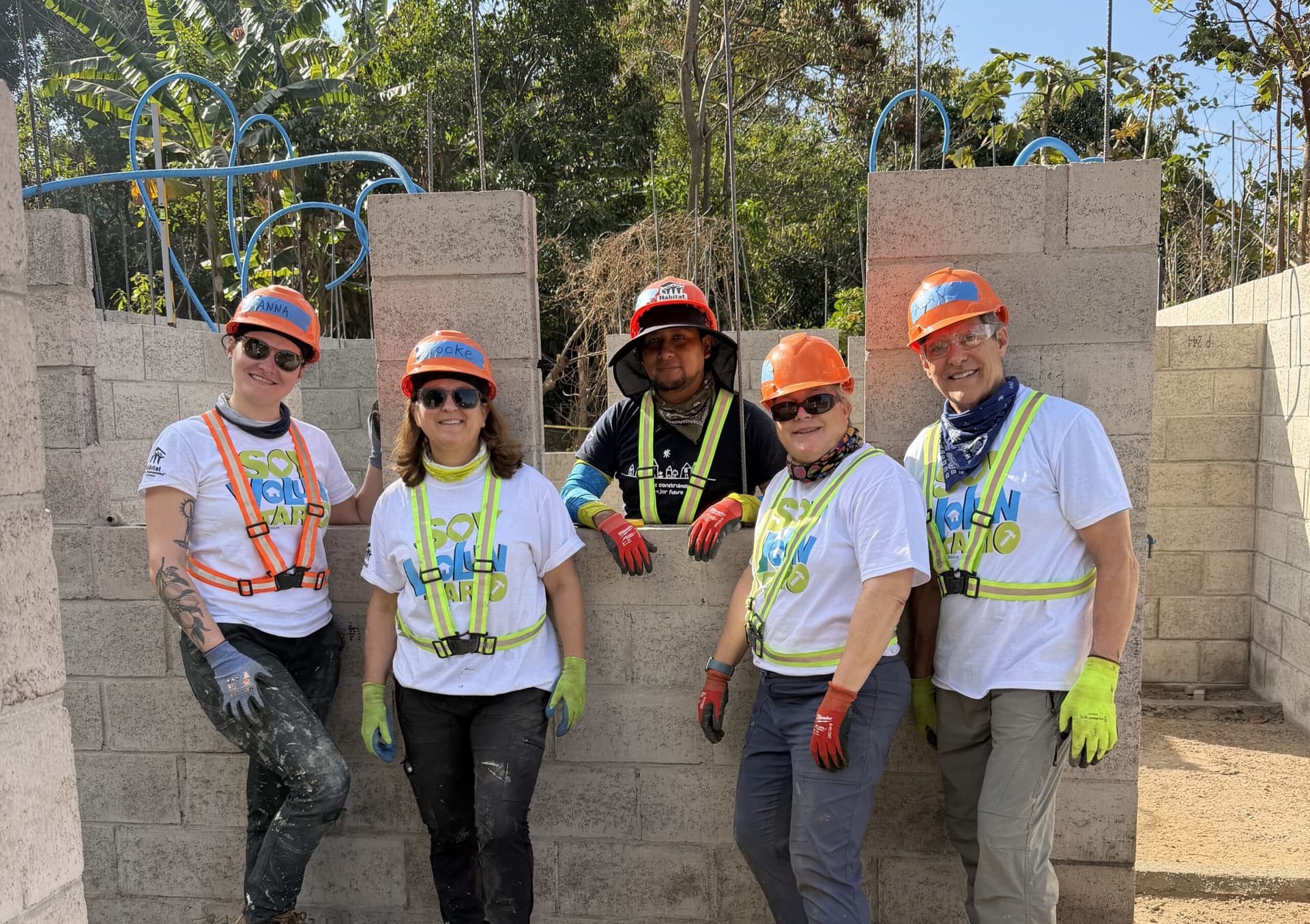
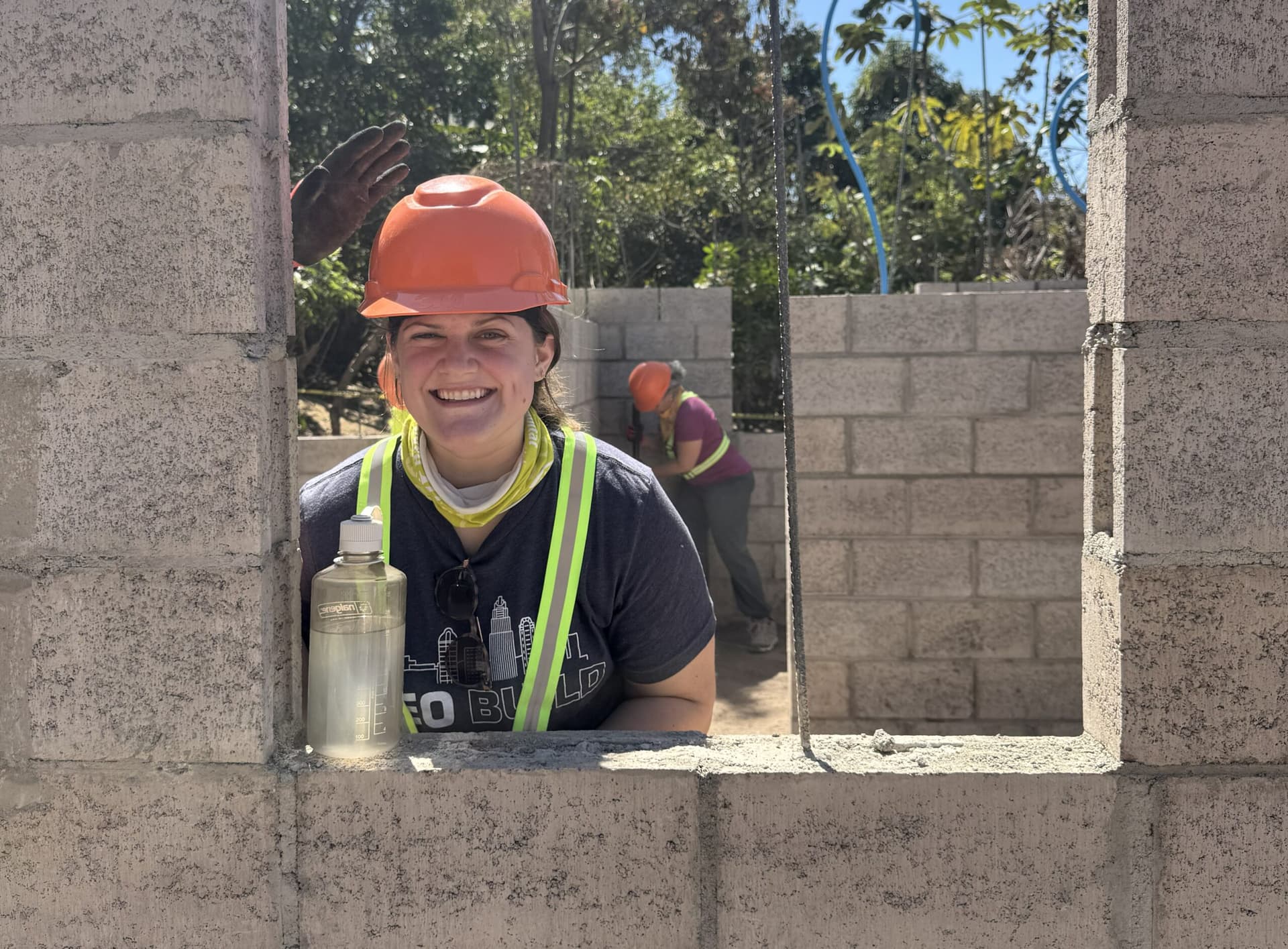
This winter, two Global Village trips offered a welcome break from colder temperatures while reaffirming the heart of our international work. Habitat staff and volunteers traveled to Chimaltenango, Guatemala, and Ahuachapán, El Salvador, partnering with local affiliates and families to build alongside one another. Beyond our international financial investment through tithe, these trips represent the hands-on core of our international work. Volunteers work with local Habitat teams to construct homes, complete critical improvements—such as installing concrete floors—and support broader community development efforts. Just as meaningful are the relationships formed with partner families, through shared workdays, meals, and conversations that transcend language barriers.
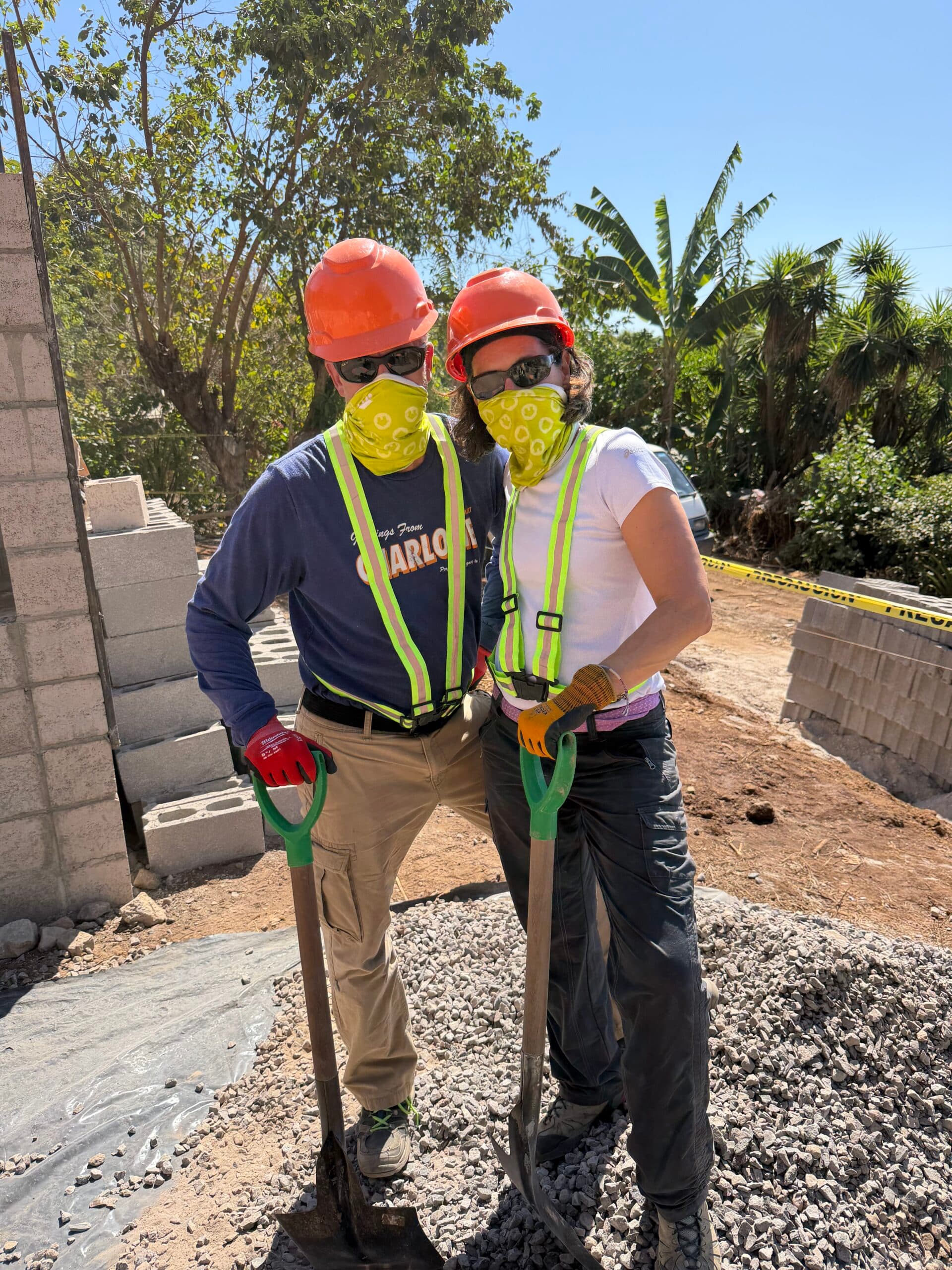
While Habitat for Humanity of the Charlotte Region also partners with affiliates in Cambodia and Guatemala, our longest-standing international partnership is with Habitat for Humanity of El Salvador. This relationship began in 1994, a year after the Salvadoran Civil War ended, when Habitat Charlotte Region began tithing to Habitat El Salvador. This January 2026 trip marked our 70th Global Village trip to El Salvador, with over 650 volunteers joining us in this work over the years. Habitat Charlotte Region has invested over $12 million in Habitat’s international mission through tithe, we’re proud to have helped over 3,300 families access safe and stable places to live.
This long-term commitment allows us to see not just immediate outcomes but also the profound impact over time that access to safe housing, water, and community resources has. In the Getsemaní community of El Salvador, Habitat El Salvador has led a holistic community development project supported in partnership with Myers Park Presbyterian Church and Habitat Charlotte Region. Families who once spent hours each day walking to obtain water now have running water in their homes, reclaiming time once lost to meeting basic needs and redirecting it toward work, education, and family life. A community health clinic and escuelita (“little school” in Spanish) now operate in the community, helping local Salvadorans access preventative healthcare and helping students receive formal education at an earlier age.
For those who visit the community through Global Village, seeing these outcomes firsthand reinforces why sustained partnership matters. The changes in Getsemaní are not isolated improvements, but part of a broader, long-term vision for community stability and growth. It is a reminder that Habitat’s work is most powerful when it continues year after year, building not just houses, but opportunity as well.
Hear from Anna Davis, Senior New Construction Site Supervisor, and her reflections on her experience on the recent El Salvador Global Village trip:
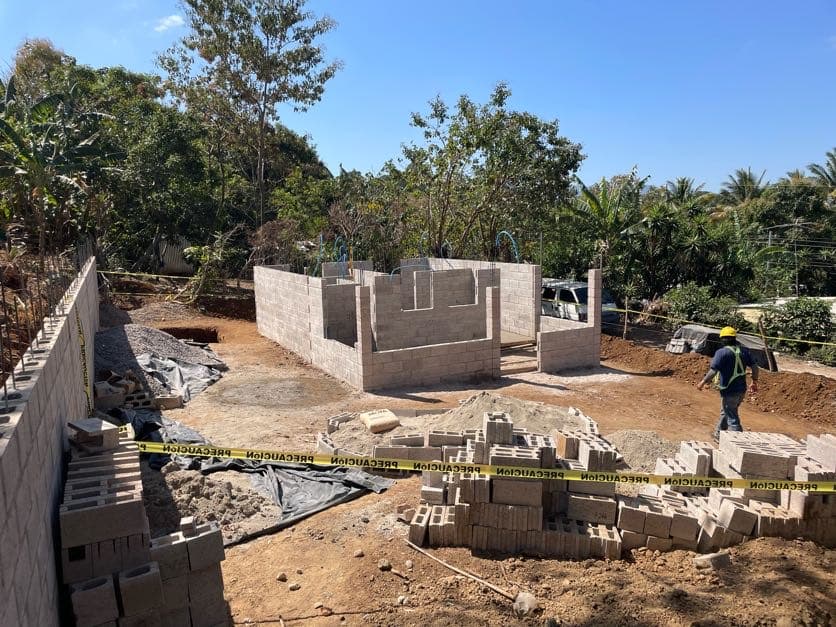
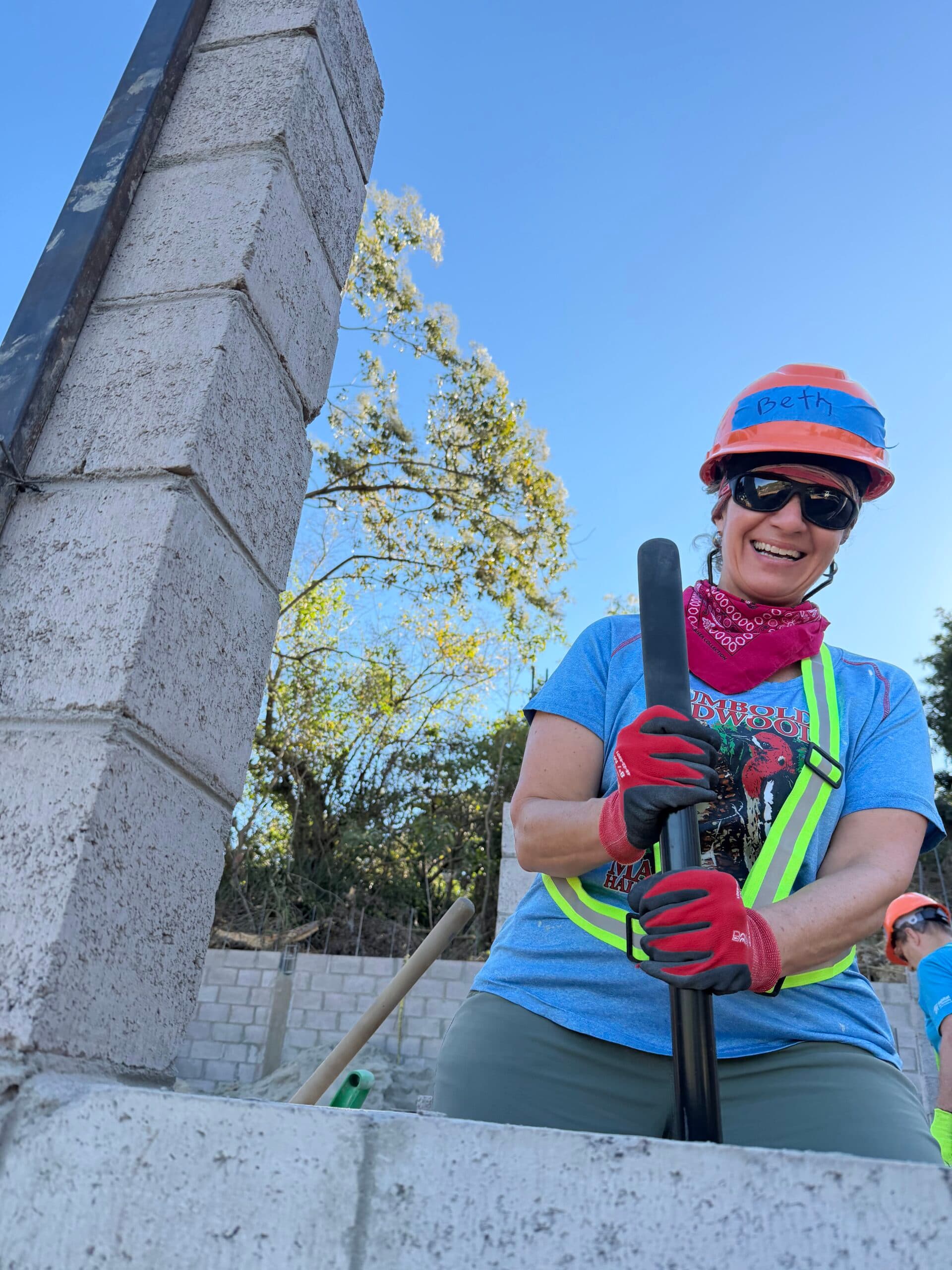
I worked on a house up on hill with a beautiful view of the mountainous landscape. On this hill, we were working on a 4-room home, with 2 bedrooms, a living space, and a bathroom. During our week, we helped the masons prep and pour the concrete floor in the home, smooth the cinder block walls for paint, and dug the hole for the septic tank.
For the home’s floor, we filled wheelbarrows with sand and dumped them into each room, used a tamper to compact the sand to create a solid and even base, sifted impurities out of a big sand pile before using it in the concrete mix, and then worked as a team to mix concrete and bucket it into the home by creating a human conveyor belt.
For smoothing the walls, we used a small piece of cinderblock as sanding blocks of sorts to smooth any imperfections on the cinder block walls faces and grout lines. This process blew my mind because I had no idea how effective it would be to clean up the appearance of the walls. I worked with volunteers to build a massive concrete masonry unit (CMU) wall as an AmeriCorps back in 2018 at Habitat East Bay Silicon Valley, and it would have been a game-changer to know this trick.
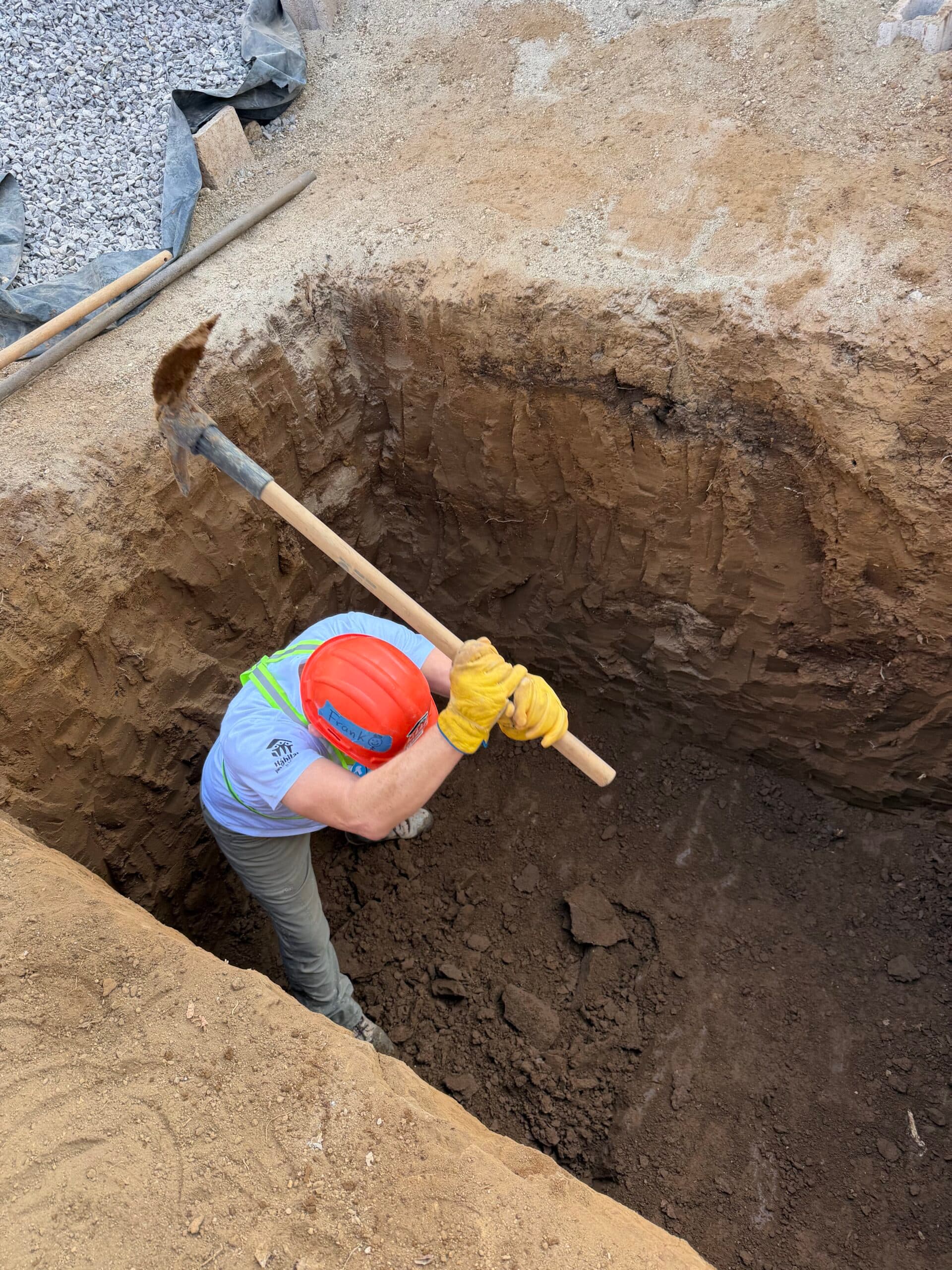
For the septic tank, we had to dig a hole roughly 5’x8’ and 6.5’ deep. We used pickaxes, shovels, and digging bars to break up the soil, and worked as a team switching out who broke up the dirt with the pickax and who would go in and collect dirt in buckets to remove from the hole. This had to be the heaviest, but most satisfying, work of the trip and took about 3 full days to complete. As the hole got deeper, it became harder to remove the dirt, but we worked as a team, encouraged each other, and knocked it out just in time for the end of our trip.
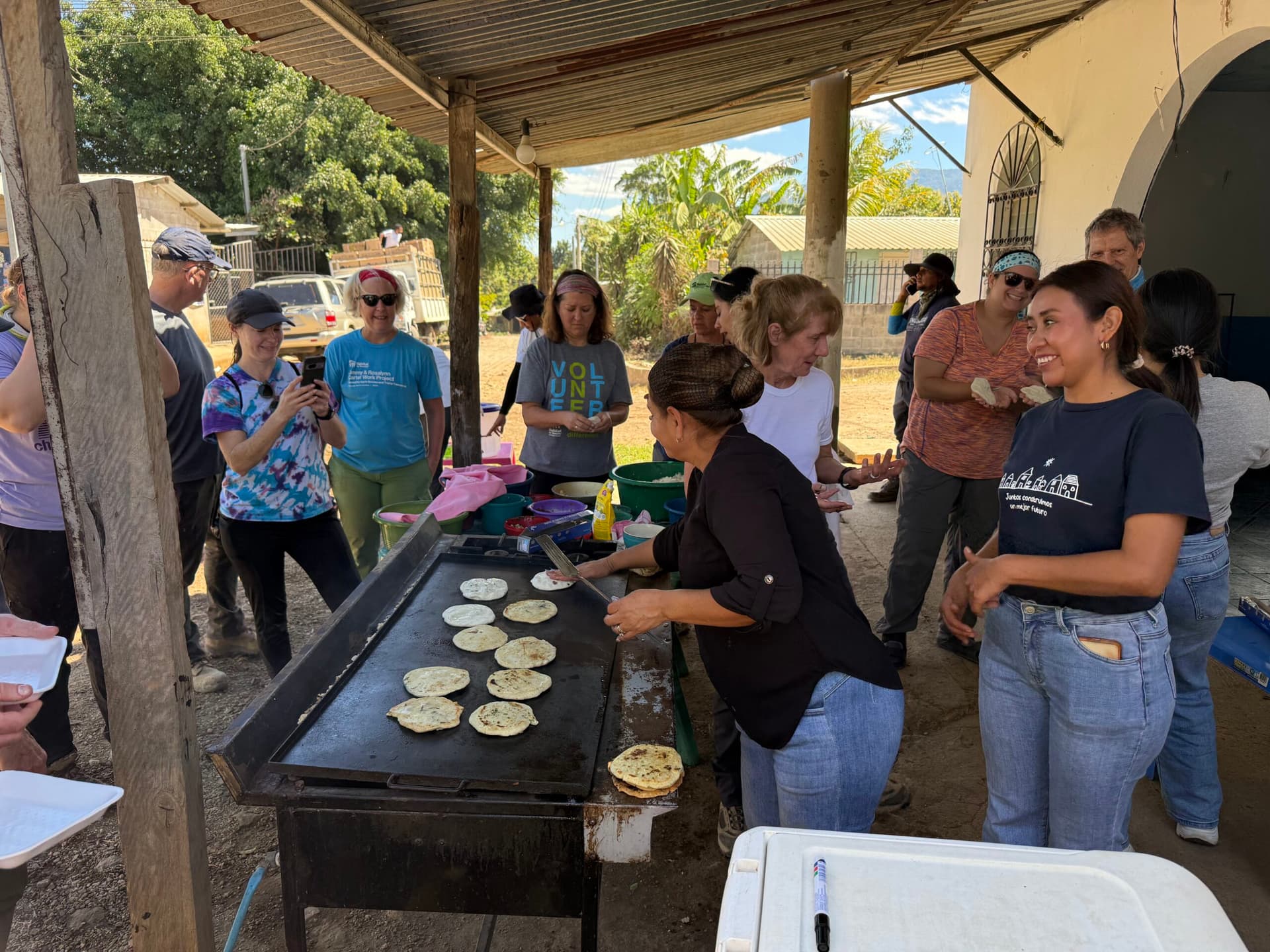
My interactions with the locals were so meaningful to me. I loved getting a chance to learn how to make pupusas by women from the village, talking with the staff to learn about their lives, families, experiences, food, slang, and sharing differences in culture in El Salvador vs the US and Romania (where my parents immigrated from). I loved going to the community that Habitat started working with in 2010, visiting the school and the clinic they built in the community.
Global Village trips have a way of reminding you of the impact of Habitat. As a Habitat employee, we see firsthand what our impact is in the USA and locally, but stepping back and seeing the impact internationally has a way of reminding you how Habitat for Humanity all started and what it looks like from a grassroots perspective. It’s easy to get caught up in the daily work pressures, the large numbers, how established our build process and volunteer opportunities seem, and take it for granted or lose sight of how much our Habitat affiliate and employees have worked to get us to our current community impact. It reminds us how our mission started, the grassroots origins of our impact on communities, and how Habitat has changed housing, not only in the Charlotte Region, but so many other countries.
Interested in joining us on a future Global Village trip? Learn how you can get involved.