The Housing Bond Measure: The History Behind Its Growth and Impact
At a Glance
The Charlotte Housing Trust Fund
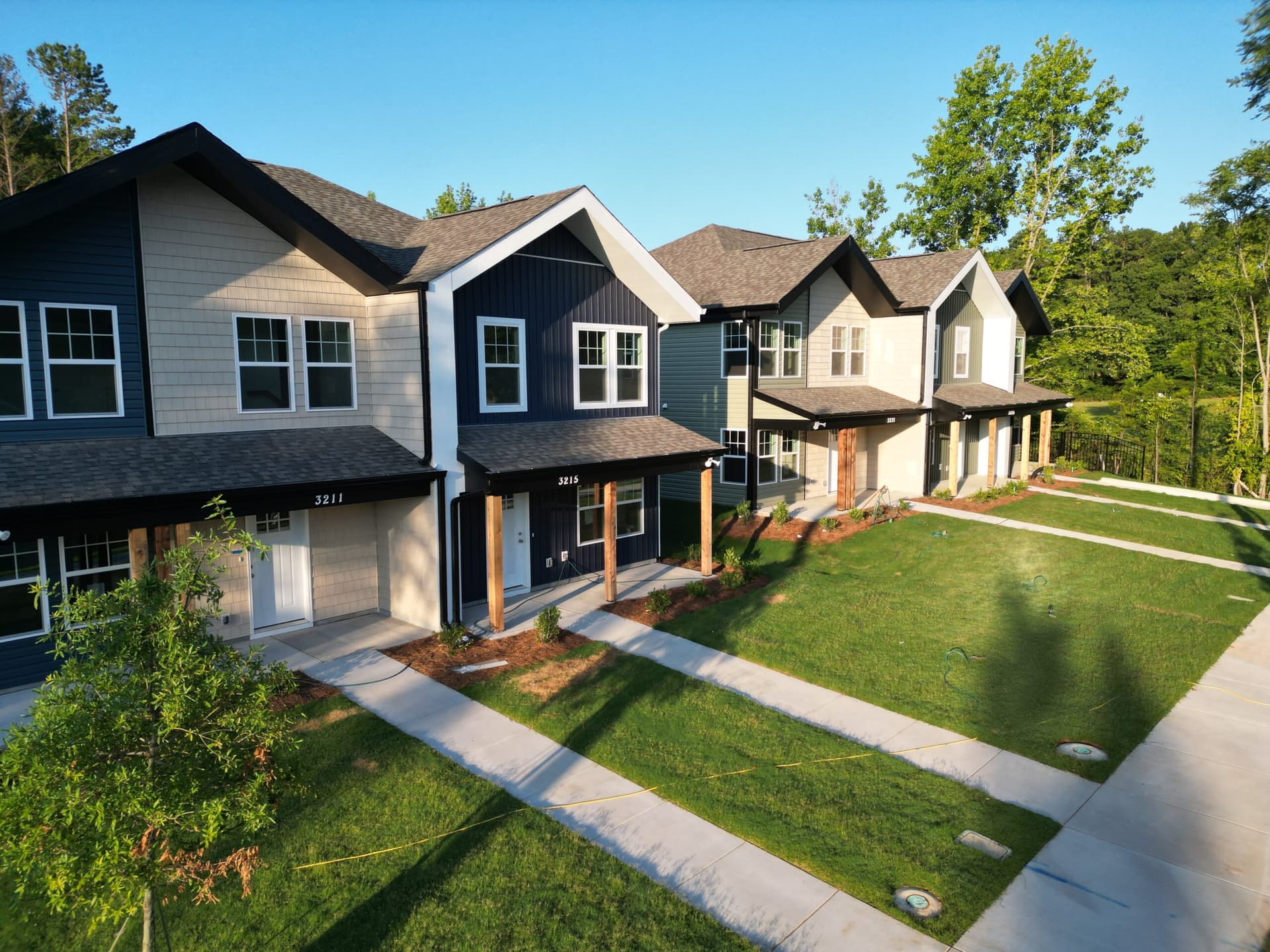
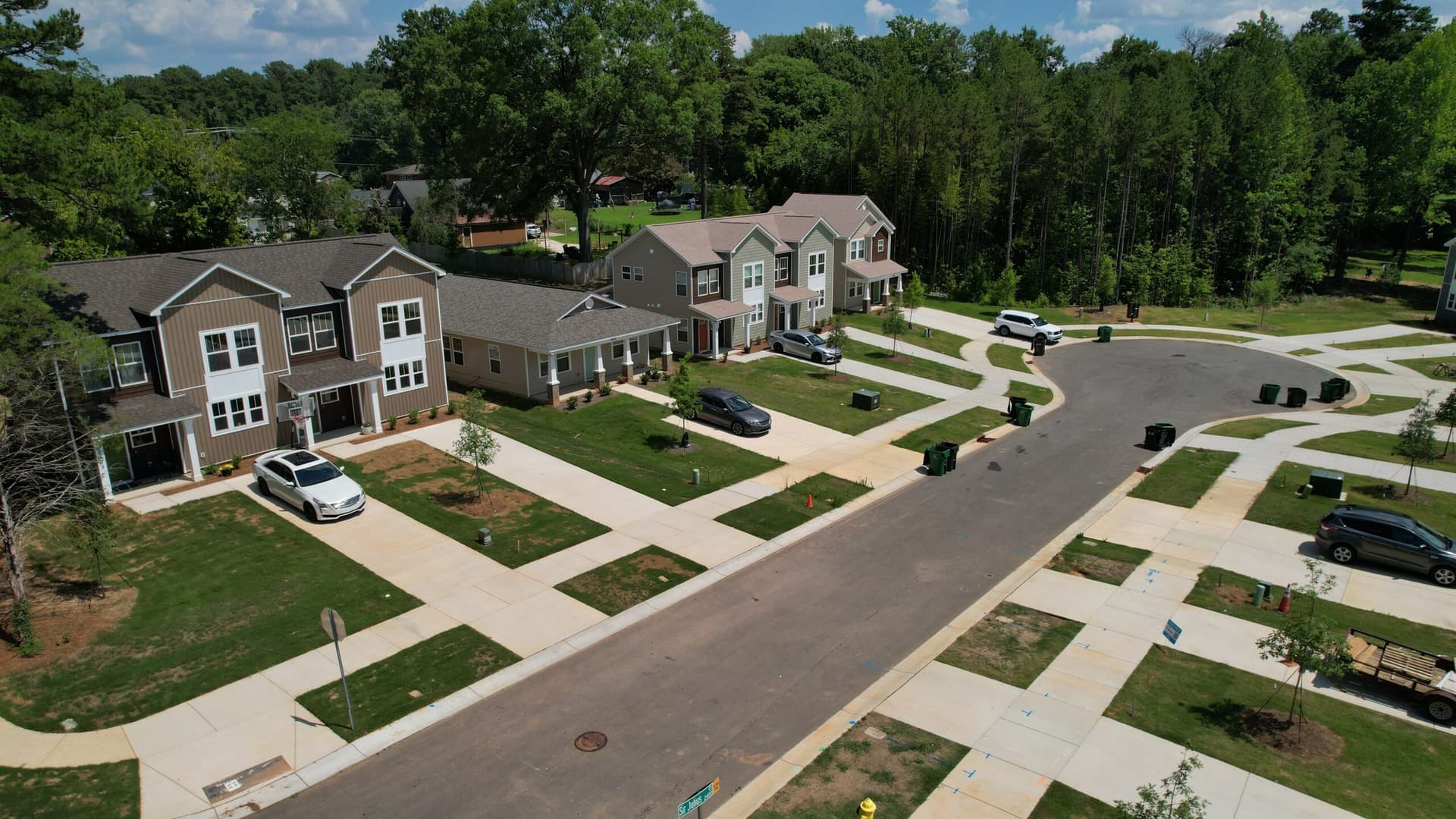
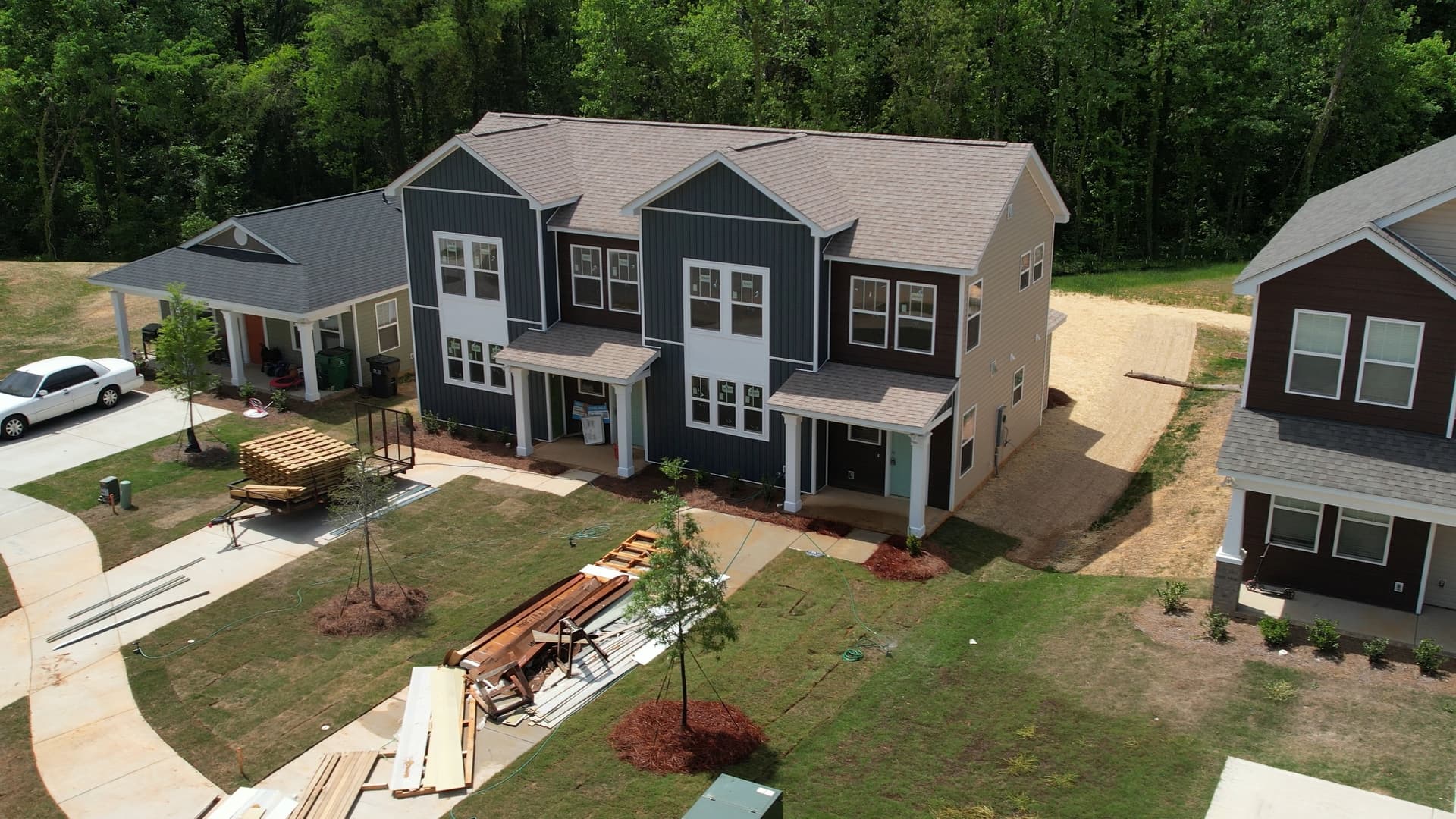
- Critical Funding Source: The City of Charlotte’s Housing Trust Fund has invested over $11 million in Habitat Charlotte Region projects, helping build developments like Legacy Vista and Little’s Landing
- The 2026 Ballot Measure: On November 3, 2026, Charlotte voters will decide on a $125 million Housing Bond—the largest single housing investment proposal in the city’s history
- Bridging the Market Gap: With Charlotte’s median home price reaching $443,850 in 2025, public investment through housing bonds creates essential rental and homeownership opportunities that the private real estate market cannot deliver
- A 25-Year History: First established in 2001 with an initial $10 million bond in 2002, voter support has grown from $50 million cycles to $100 million in 2024, leading up to this year’s historic $125 million proposed bond
Introduction & Mission
How the Charlotte Housing Trust Fund Creates Local Affordable Housing
Habitat for Humanity of the Charlotte Region’s mission is to increase affordable homeownership opportunities for working families and individuals in Charlotte, Huntersville, Cornelius, Davidson, Iredell County and Gaston County
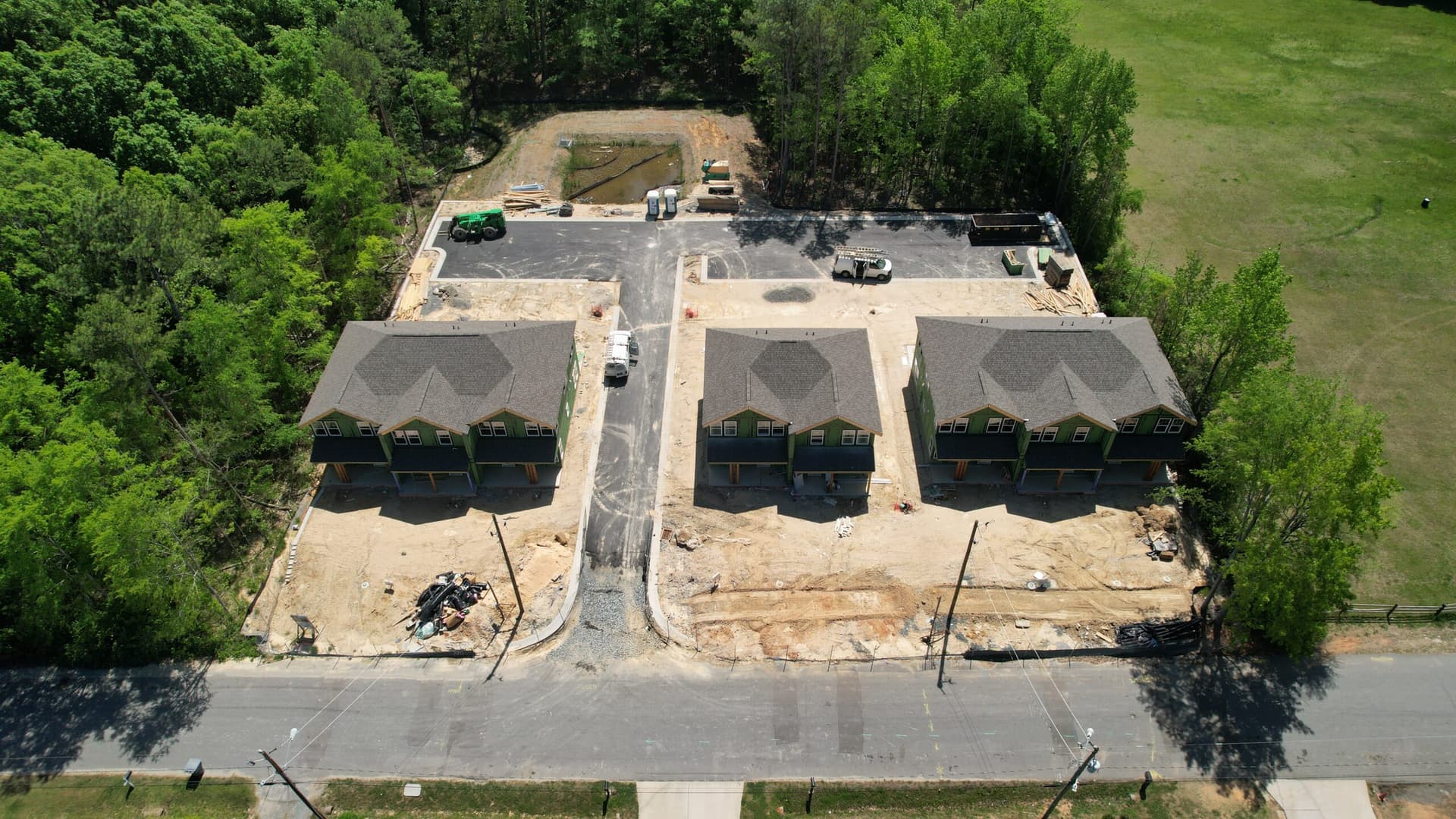
Over the years, the Fund has invested nearly $6.5 million in Habitat Charlotte Region projects, supporting recently completed developments such as Legacy Vista, Little’s Landing and a number of upcoming subdivisions
With the November 3rd general election around the corner, Charlotte voters will be asked to support the City of Charlotte’s 2026 Housing Bond Measure

The Origin & Impact of the Fund
What Is the Charlotte Housing Trust Fund?
In 2001, the Charlotte City Council made a decision that would shape the lives of thousands of families over the next two and a half decades
More than twenty-five years later, that decision produced affordable units and millions of dollars in total housing investment
The Economic Reality in Charlotte
Why Public Funding Is Necessary for Affordable Housing
As of 2025, the median home price in the Charlotte region reached $443,850
The housing trust fund does not just support homeownership
The History and Growth of Charlotte Housing Bonds

Funding is secured every two years through voter approval of housing bonds placed on the ballot by the Charlotte City Council
In 2018 and 2020, voters approved of $50 million increments each cycle
If approved, it would represent the largest single housing investment in the city’s history and a 25% increase over the 2024 bond cycle (Harrison 2026)
Voting Impact
What Is at Stake in the November 2026 Election?

The November ballot will decide on the fate of the housing bond measure along with the local elected officials who oversee how those dollars are spent, who qualifies for support, and what gets built
Housing is a fundamental right, and this November, your vote is a civic act we rely on to continue to make housing affordable for the most vulnerable in our community
Frequently Asked Questions
What is the 2026 Charlotte Housing Bond Measure?
The 2026 Housing Bond Measure is a $125 million municipal bond proposal on the November 3, 2026 ballot
How much has the Housing Trust Fund invested in Habitat Charlotte Region projects?
To date, the Housing Trust Fund has invested over $11 million into Habitat for Humanity of the Charlotte Region projects, helping build communities like Legacy Vista, Little’s Landing, and other local neighborhoods
How has voter support for Charlotte housing bonds grown over time?
Charlotte voters first approved a $10 million housing bond in 2002
How can I become an affordable housing voter?
Becoming an affordable housing voter means using your vote to advocate for housing policies, constitutional amendments, and municipal bond measures that expand access to safe, affordable homes. You can prepare by researching candidates’ housing platforms, verifying your voter registration, and learning how local ballot items impact community stability. To dive deeper into local ballot items, constitutional amendments, and housing bond history, read our full article on
Works Cited
Childress Klein Center for Real Estate. 2025 State of Housing in Charlotte Report. UNC Charlotte Belk College of Business, 2025. https://issuu.com/belkcollege/docs/2025_state_of_housing_report
“Housing Trust Fund.” City of Charlotte Housing & Neighborhood Services, 2022.
“Housing Trust Fund 20th Anniversary Report”. City of Charlotte, 2022. https://www.charlottenc.gov/Streets-and-Neighborhoods/Housing/Resources-for-Developers-and-Contractors/Housing-Trust-Fund